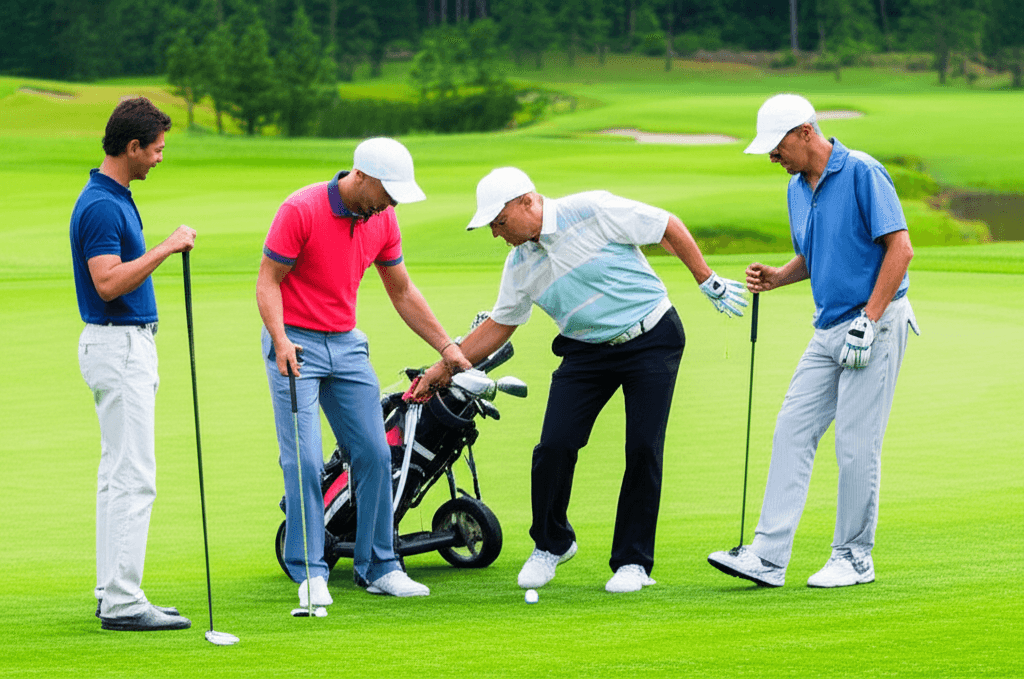
On the golf course the scorecard is only part of what matters. How players look out for each other can change a round from routine to memorable in a good way. A group that pays attention to each other reduces risks and raises the enjoyment for everyone involved.
This article asks a direct question Is Your Golf Group Looking Out For Each Other Always and offers practical ways to check the answer. You will find examples from real rounds, quick checklists you can use before tee time, and simple habits to make safety and courtesy second nature.
Why asking Is Your Golf Group Looking Out For Each Other Always matters
Golf is often seen as a polite and measured sport. That reputation helps but can hide small safety gaps. When players assume someone else will notice hazards the game becomes less safe. That can lead to missed signs of injury, weather risks, or equipment problems that ripple through a whole group.
Keeping an eye on companions is not about policing every move. It is about anticipating moments where a little attention prevents trouble. Examples include spotting a player who is pale after a long walk, noticing a bag strap about to break, or helping guide a cart around a muddy patch. Those moments add up to fewer interruptions and a smoother round.
Clear signs your group already looks out for each other
Some habits show a group is attentive and caring. Look for these behaviors during a round to see if your group is consistently protective of its members.
- Players check in after a long walk or a rough hole to ask how fellow players are feeling
- Everyone carries or has access to basic first aid items such as plasters and antiseptic wipes
- Groups share information about changing weather conditions or hazards on upcoming holes
- There is a culture of honesty about pace of play and readiness for the next shot
- Teammates offer small physical helps like steadying someone on a slope or lifting a heavy bag
Practical habits for making safety routine
Good habits remove friction and make looking out for each other a normal part of the day. Add these actions to your pre round routine and you will see benefits in safety and group harmony.
- Quick health check at arrival with simple questions about sleep hydration and any recent injury
- Assign a light first aid kit to one bag and rotate responsibility each outing
- Decide on a signal for a serious problem so alerts are fast and unambiguous
- Walk the first tee together to note any hazards and agree on how to handle them
On course behaviors that keep everyone safer
Small on course practices reduce risk and speed responses. These are easy to adopt and improve the overall experience.
- Call fore when a shot may reach another group and follow it up with a clear apology if needed
- Stand at a safe distance when others swing and avoid crowding the landing area
- Move injured players to shade or shelter when conditions make that important
- Share sunscreen water and a spare glove as simple acts of care
Making communication work
Use plain language and brief updates. For example say I need a minute or I am feeling light headed so the group understands the situation immediately. Clear phrases prevent confusion that wastes time and could worsen a problem.
Handling slower players with respect
Pace of play can create tension. Instead of criticism offer help and suggestions. Examples include volunteering to mark the flag when someone is struggling or suggesting the use of a buggy on the next hole. This keeps the round moving while showing consideration.
When an emergency happens simple steps that save time and trouble
Most incidents are minor. The way a group responds determines whether a small issue becomes a big one. Follow a few basic steps and everyone will feel more confident if a real emergency occurs.
- Stay calm and quickly assess the situation
- Call for help using the club emergency number or local emergency services when needed
- Keep the injured player comfortable and do not move them unless there is an immediate danger
- Delegate tasks such as fetching a phone or guiding emergency responders to the group location
Practical pre round checklist for groups
Before tee time run this short checklist aloud. It takes under two minutes and it sets expectations for safety and courtesy.
- Confirm anyone with medical conditions or recent injuries
- Note who has a first aid kit and emergency contact details
- Agree on signals for urgent situations
- Discuss whether anyone needs a cart or extra breaks
- Plan a backup if weather turns bad or a player cannot continue
Bringing safety into clubhouse conversations
Some of the best safety habits develop off the course during a coffee or a chat after the round. Turn casual talk into opportunities to improve how the group looks out for each other. Share quick stories of small incidents and what helped so everyone learns practical tips.
If you want a deeper look at turning these conversations into consistent practices you can see the full guide and use ideas that match your club culture.
Examples from real groups and lessons learned
Example one A four ball noticed a player was unusually quiet after nine holes. A quick question revealed dizziness caused by low sugar. A team member kept the player seated in shade gave a sugary snack and called the club pro to arrange transport home. The incident ended with no harm and faster resolution because the group paid attention early.
Example two A visiting group encountered sudden heavy rain and lightning. One player took charge of moving everyone to shelter and the group kept calm while the course marshals handled evacuation. The group praised the quick decision and noted it for future outings.
Example three At a friendly match a bag strap broke on the hill. Rather than leave the weight to the owner the group redistributed clubs and adjusted the sequence of play. That small act avoided fatigue and kept the round enjoyable.
Tips for captains and informal leaders
If you often arrange tee times use your role to model caring behavior. Open a round with a two minute check in and encourage sharing of any needs. Make it routine to ask about weather concerns and supplies. When new players join explain your group norms about pace and safety so everyone gets on the same page quickly.
- Lead by example by carrying a small emergency kit and offering it when needed
- Reward considerate behavior with appreciation rather than criticism for small lapses
- Keep a short note of people who may need help during the round such as older players or those with limited mobility
Wrapping up the question Is Your Golf Group Looking Out For Each Other Always comes down to simple actions that add very little time to a round while increasing safety and enjoyment a lot. Notice the small signs that someone needs help ask quick questions and keep basic supplies on hand. Groups that practice short check ins and share responsibility handle emergencies faster and keep the game pleasant for everyone involved.
Take one step this week and introduce a two minute pre round check. Make a small first aid kit part of your usual gear and talk about weather plans before tee time. These moves improve safety and strengthen friendships on the course. If you are a captain or frequent organizer use your influence to set these habits and watch them spread. Start today and make looking out for each other an expected part of every round.