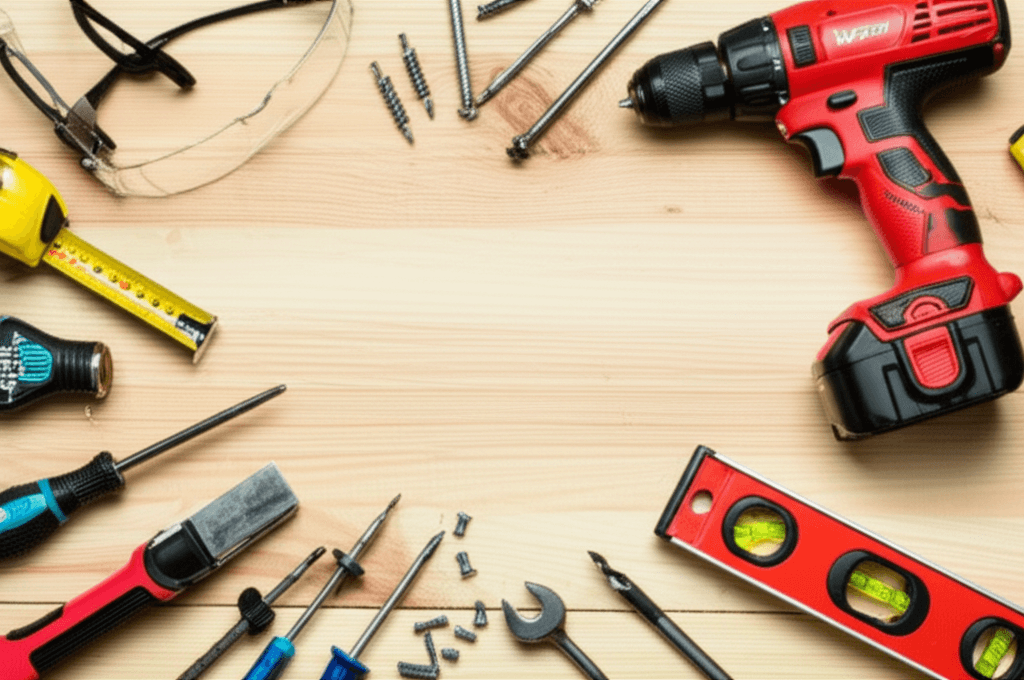
Tackling home jobs on your own can be satisfying and cost conscious when you pick the right tools. The right selection makes the task easier and reduces mistakes that lead to extra time and expense. In this article we look at tools that make DIY easier and how to choose them so each project moves along with less stress and better results.
Whether you are updating a single room or working on small repairs around the house a few well chosen items will pay for themselves quickly. I cover key power tools hand tools measuring gear safety items and specialty pieces along with practical tips on what to buy first and where to research reliable reviews.
Essential power tools that make DIY easier
Power tools speed up many jobs and handle tasks that are hard to do by hand. For most homeowners a compact cordless drill and an impact driver are the starting pair. A drill handles pilot holes and basic driving. An impact driver is better for driving longer screws into wood and fastening into dense materials. Choose batteries with higher amp hour ratings for longer run time during big jobs.
A circular saw is the workhorse for cutting sheet goods and dimensional lumber. For curved cuts add a jigsaw. An oscillating multi tool cuts into trim removes grout and sands small areas where a larger tool will not fit. If you plan to do more finish work a random orbital sander delivers smooth surfaces faster than sanding by hand.
- Tip Pick a single battery platform when possible. That way batteries swap between several tools and spare batteries are more useful.
- Tip Look for brushless motor models when you want longer tool life and better battery use.
Hand tools that remain indispensable for DIY projects
Power tools do heavy lifting but hand tools handle fit finish and small adjustments. A reliable claw hammer a set of screwdrivers that includes Phillips and flat heads quality pliers and a couple of adjustable wrenches cover a wide range of tasks. A 25 foot tape measure and a quality level make layout and measurements quick and accurate.
Screwdrivers with magnetic tips save time when working in tight spaces. A folding utility knife with replaceable blades is one of the most used items for cutting drywall tape opening boxes and trimming material. For demolition and trim work add a pry bar and a discardable chisel.
Choosing quality hand tools
Look for tools made from heat treated steel and with comfortable handles. Warranty length can indicate manufacturer confidence. Ergonomic grips cut down hand fatigue on longer tasks. Replaceable parts such as screwdriver bits and utility blades keep costs down over time.
Measuring and layout tools that save time and mistakes
Getting measurements right prevents wasted material and rework. A good tape measure and level are minimal needs. For layout consider a speed square for framing and stair layout and a marking knife for woodworking. A digital caliper is helpful for tasks that require close tolerances such as hardware fitting or machine maintenance.
Laser levels are worth the investment if you hang shelves install tile or run trim across multiple rooms. Even an affordable line laser can align cabinets or repeat a height around a room faster than a chalk line. For flooring layout a chalk box and straight edge still have their place because they are low cost and simple to use.
Safety gear and organizational tools that protect and organize
Protective equipment is not optional. Eye protection and hearing protection reduce the risk of injury while using power tools. Respirators or dust masks protect lungs when cutting drywall sanding or working with insulation. Gloves protect hands during demolition and when handling sharp materials while a set of knee pads makes flooring and tile work less punishing.
Organization tools keep projects moving by reducing time spent searching for hardware or bits. Invest in storage bins for screws and nails a toolbox for small repair jobs and a roll cart or mobile workbench for moving tools around a site. Labeling compartments saves time on repeat projects and prevents mistakes.
Workshop setup tips
Good lighting and a solid bench change how pleasant a space feels. Add a few dedicated charging stations for batteries and a place to store blades and bits so they stay sharp. Install a strip of outlets along the bench and keep a basic first aid kit handy.
Specialty tools for common home projects
As you take on more projects a handful of specialty items will make certain jobs much easier. A wet dry vacuum keeps work areas clean and controls dust. A router can cut decorative edges and make joinery for cabinets and shelves. A tile cutter or wet saw is nearly essential for bathroom and kitchen tile work. For painting a sprayer reduces time on larger surfaces and gives a uniform finish when used correctly.
Renting larger specialty items for a single job is often the best choice. For instance renting a tile saw for a bathroom remodel may cost less than buying one that will be unused for long stretches. Some rental houses also provide tips on setup and safe use.
How to decide which tools to buy first
Start by listing projects you expect to do in the next year then match tools to those tasks. Prioritize items you will use frequently and that will allow you to complete multiple types of projects. For many homeowners that list begins with a drill a circular saw a good set of screwdrivers a tape measure and safety gear.
Consider total cost. A quality mid range cordless drill kit with two batteries may run a couple of hundred dollars while a basic hand tool set costs much less. When budgets are tight rent or borrow for a single use. Buying a cheap version of a tool that you will use often usually ends up costing more in replacement and frustration.
- Example If you plan to build shelving and hang doors invest in a level and impact driver first. Those tools will appear in every project from storage to furniture repair.
- Example If you expect to replace flooring focus on a circular saw a good measuring system and a quality knee pad set.
Where to get trustworthy reviews and buying advice
Product reviews from user tests and data backed comparisons help when choosing between models. Reading multiple reviews across independent sites and verified buyers offers a clearer picture than a single source. For a ready set of tool reviews and buying tips check a detailed resource that focuses on home project gear such as DIY Tool Advisor where you can compare categories and see curated lists for different budgets.
When reading reviews pay attention to long term user experience battery life for cordless tools warranty repairs and the availability of replacement parts. Tools with easy access to service centers and spare parts reduce downtime when a part fails.
Maintenance and care practices to extend tool life
Regular maintenance keeps tools working well and saves money. Clean blades and cutting edges after use lubricate moving parts and store batteries at recommended temperatures. Sharpen saw blades and knife blades when needed to reduce strain on motors. Replace worn brushes or belts before they cause damage to other parts.
Label and rotate consumables such as sanding discs and drill bits so you do not waste time guessing what is usable. Keep an inventory of fasteners sizes and types you use most often and restock before a big job begins.
Choosing the right mix of tools and caring for them will reduce project time lower costs and lead to better results. Start small add items as your skill and project list grow and turn the job list into a practical acquisition plan. When you are ready to compare models or find a kit that fits your needs use informed review sites and local stores where you can feel a tool before buying.
Conclusion
Tools that make DIY easier fall into clear groups power tools hand tools measuring devices safety gear and specialty items. A small well chosen collection will cover most home projects and speed up work while reducing errors. Start with items you will use most often then add specialty gear as projects demand. Keep maintenance simple and store tools so they are ready for the next job. When purchasing check multiple reviews compare warranties and think about battery platforms before committing to a brand. If you prefer to see side by side comparisons consult review resources to match features to your budget and project types. Take the next step by listing upcoming projects then match the list to the tool needs. Begin with one purchase today and schedule the second when you have completed that first project. Practical choices and steady progress turn weekend work into satisfying results.